01
Piazza Navona
~20 min here·5 chapters
The Roman Stadium Beneath Your FeetFree chapter
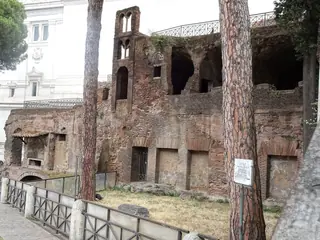
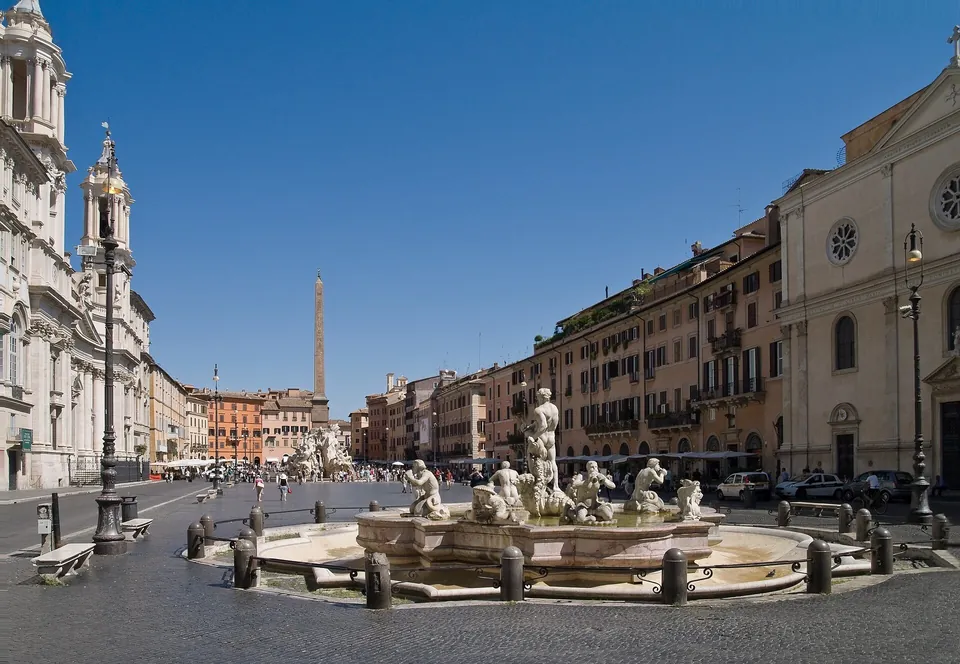
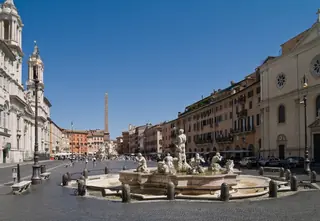
The elongated shape of Piazza Navona is not an accident of medieval planning — it is the direct footprint of Domitian's athletic stadium, built around 80 AD and seating roughly 30,000 people.
0:000:00
Pope Innocent X Remakes a Family SquareFree chapter
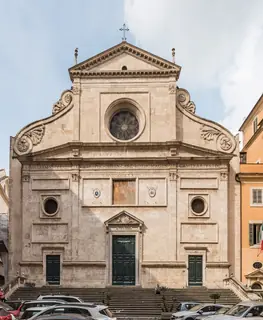
In the mid-17th century, Pope Innocent X transformed Piazza Navona into a Baroque showcase for his family, the Pamphilj, commissioning a palace, a church, and a monumental fountain all at once.
0:000:00
Bernini's Fountain and the Obelisk at Its Centre
Bernini's Fountain of the Four Rivers, completed in 1651, represents four continents through river gods and supports an ancient obelisk originally from the Circus of Maxentius — a piece of ancient Rome repurposed as Baroque spectacle.