01
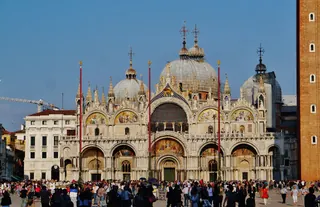
St. Mark's Square
~21 min here·3 chapters
Two Men, Two Very Different SquaresFree chapter
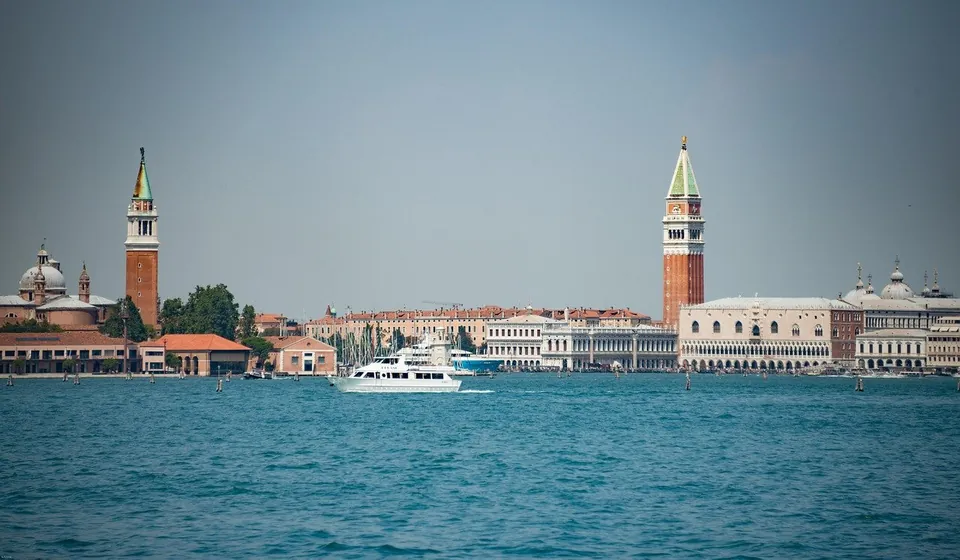
Piazza San Marco meant radically different things to the Venetians who built it over centuries and to the outsiders who later claimed to define it — and understanding that gap is the key to reading the space honestly.
0:000:00
How a Lagoon City Built Its Ceremonial Heart
The piazza grew organically over centuries from a modest open space beside a chapel into the political and religious showcase of the republic — driven by the arrival of Saint Mark's relics in 828 and the republic's growing need to project power.
What the Square Was Actually ForFree chapter
The piazza functioned simultaneously as a religious forecourt, a government plaza, a diplomatic stage, and a public theater — and the Venetian republic used all of those functions deliberately to project authority.
0:000:00