Home › Kumamoto › Kiyomasa’s Castle: Defense, Destruction, Renewal
Kiyomasa’s Castle: Defense, Destruction, Renewal
Kumamoto · Walking Tour

Kiyomasa’s Castle: Defense, Destruction, Renewal

3 hrsWalk
1.0 kmDistance
9Stops
27Chapters

About this route

Imagine a fortress forced to defend itself not only from armies but from fire, earthquake, and time, from Nagabei’s restored river line through Kumamoto Castle’s curved walls and regrown ginkgo to Kato Shrine, where the city enshrined Kato Kiyomasa in 1871.

🎧 Narrated audio tour⬇️ Works offline🌐 English📍 9 stops
Narrated by
rrawi
English

Stops on the route

9 stops · 27 chapters
Nagabei Riverside Path
01

Nagabei Riverside Path

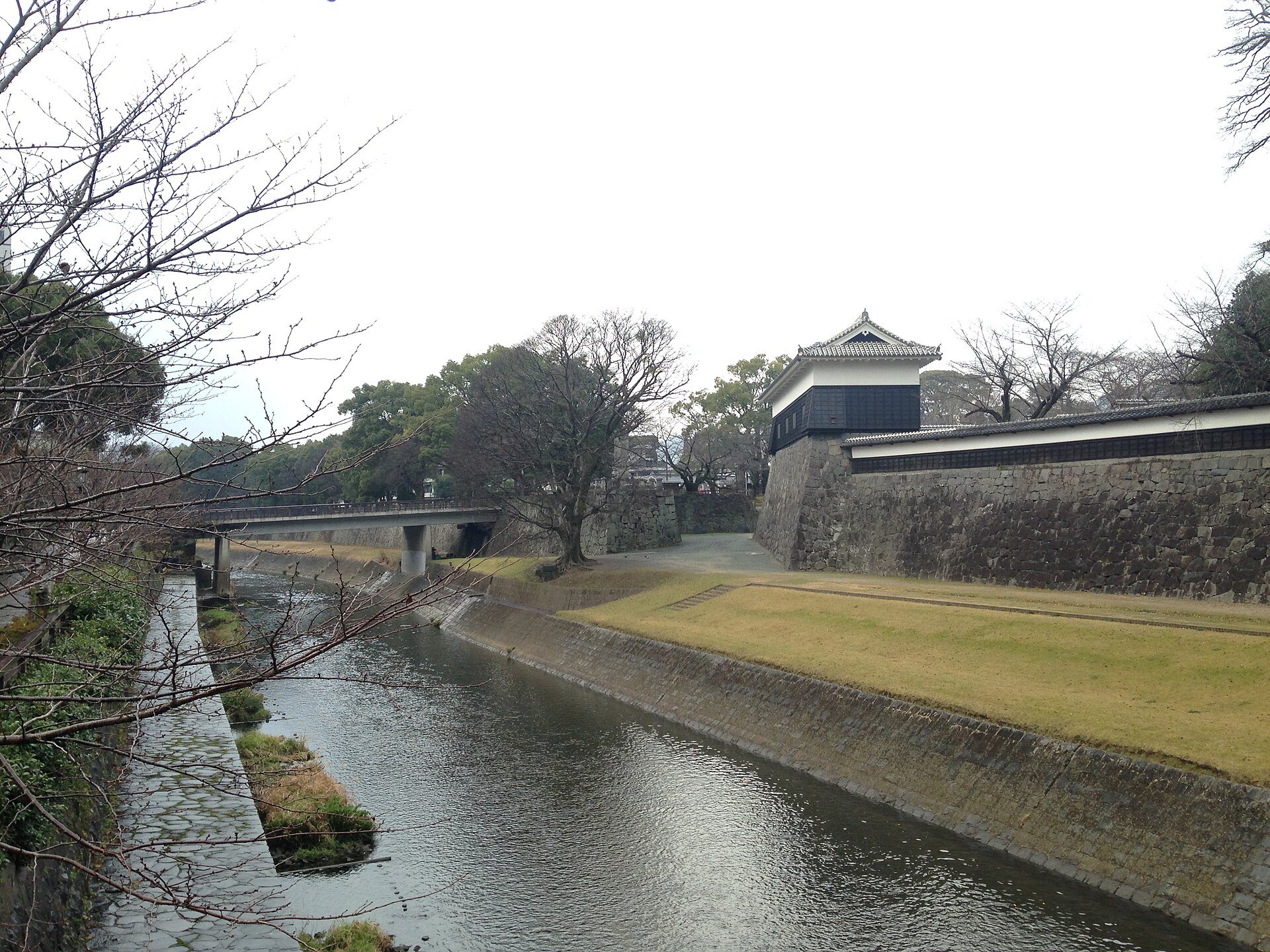
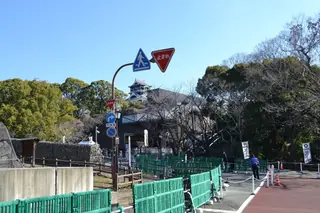
Selected as the opening stop, Nagabei introduces river-edge defense and restoration before the tour enters the larger castle complex.

~20 min here·3 chapters
A Wall That Shouldn't Be This ShortFree chapter

Nagabei is a straight wall exactly 242 metres long — not the sprawling kilometres-long barrier it appears to be from riverside.

0:000:00
Ten Hidden Positions Along the WallFree chapter

Edo-period drawings document ten stone-dropping positions built into Nagabei — a detail invisible from the outside but confirmed in historical records.

0:000:00
Taken Down, Put Back, Then Broken Again

Nagabei has been dismantled and restored twice — once around the 1877 Satsuma Rebellion, and again after 80 metres collapsed in the 2016 earthquake, with restoration completed in 2021.
Kumamoto Castle
02

Kumamoto Castle

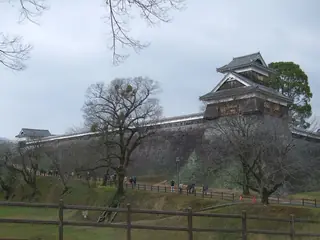
Selected as the tour’s central experience, the castle connects Kato Kiyomasa’s rise and public works with visible defenses and the continuing recovery from the…

~2 hrs here·7 chapters
The Walls That Curve on Purpose

Kumamoto Castle's musha-gaeshi walls are a deliberate defensive engineering choice — a gentle lower slope that steepens sharply near the top — not a decorative flourish.

From a Village in Owari to Lord of Northern Higo

Kato Kiyomasa was an outsider who rose through military service to Toyotomi Hideyoshi before being appointed ruler of northern Higo in 1588 — he came to Kumamoto as a conqueror-administrator, not a local lord.

Building More Than a Castle

Between 1588 and 1607, Kiyomasa didn't just construct a castle — he reshaped the rivers, drained farmland, and built an entire functioning castle town, treating the landscape itself as part of the defense.

🔓
Unlock 4 more chapters in the app
Get the app →
03

Special Observation Passage

Essential as a recovery-era route that reveals damaged masonry, restricted work areas, and historic rooflines from a deliberately modern vantage point.

~15 min here·2 chapters
Two Ways to See a Broken Castle

The Special Observation Passage is a post-earthquake recovery route completed in 2020 that lifts visitors roughly six metres above the castle grounds, offering a controlled path through partially restricted areas.

What the Elevated View Reveals

From the passage, visitors can see both the damaged masonry and the eastern turret zone, as well as the two contrasting styles of stone wall that Kato Kiyomasa's builders used — a view that connects the castle's original construction genius to its ongoing recovery.

04

Two-style Stone Walls

Essential because the paired wall profiles make the castle’s changing defensive geometry directly visible.

~12 min here·2 chapters
The Logic Built Into These Two Walls

The two contrasted wall profiles at Niyo no Ishigaki encode a deliberate defensive geometry — one wall gentler, one steeper — that visitors can read directly from the silhouettes.

How the 2016 Earthquake Changed the View

The current viewpoint on the Special Observation Passage dates from 2020, created in the aftermath of the 2016 earthquake, and visitors observe the walls from a designated passage rather than from within the masonry area.

05

Keep Courtyard and Great Ginkgo

Essential for the qualified planting tradition, the Ginkgo Castle nickname, and the tree’s documented regrowth after the 1877 fire.

~10 min here·2 chapters
The Tree That Named a Castle

The great ginkgo beside the keep gave Kumamoto Castle its poetic nickname Ginnanjo — Ginkgo Castle — and tradition holds that Kato Kiyomasa himself planted it.

What the 1877 Fire Left Behind

The ginkgo you see today is not the original tree — it regrew after a fire in 1877, meaning it is a survivor's regrowth, not an untouched relic of Kiyomasa's era.

06

Main Keep Exhibition

Essential because its basement fabric, models, and chronological displays connect castle construction, town management, military use, and earthquake recovery.

~35 min here·4 chapters
What Is This Building, Really?

The keep visitors enter today is not the original — it is a 1960 steel-reinforced-concrete reconstruction that replicates the historic exterior while housing a modern museum inside.

Below the Exhibition — The Basement's Older Story

The basement preserves the stone-walled anagura and a well — original historic fabric that predates the 1960 reconstruction and introduces the castle's practical service infrastructure.

Floors One and Two — Castle as City

The first-floor Kato display and second-floor Hosokawa display reframe the keep not as a military trophy but as the administrative and commercial hub of a managed castle town.

🔓
Unlock 1 more chapters in the app
Get the app →
07

Keep Top-floor Observation

Essential because the restored sixth floor turns the roofs, castle grounds, and surrounding city into a legible spatial system.

~12 min here·2 chapters
What the Sixth Floor Reveals About the Castle

Standing on the sixth floor of the large keep, visitors see the full castle roofscape spread below them before the city opens up beyond — a perspective that reframes the entire site.

The Floor That Came Back in 2021

This viewing floor is part of the reconstructed keep — not an original Edo chamber — and returned with the restored keep in 2021 after the 2016 earthquake.

Ninomaru Square
08

Ninomaru Square

Selected to extend the story beyond fortification into the Hosokawa-era residences and Jishukan school that once occupied this enclosure.

~25 min here·2 chapters
The Enclosure West of the Keep

Ninomaru lies directly west of the main castle enclosure and was filled during the Edo period with the grand residences of the domain's most senior retainers.

What the Jishukan School Taught Inside a Military Yard

Ninomaru also housed the Jishukan domain school, which admitted not only the children of retainers but high-performing commoners — making this enclosure a center of education, not just military residence.

Kato Shrine
09

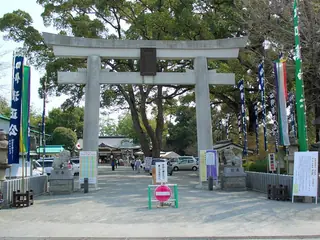
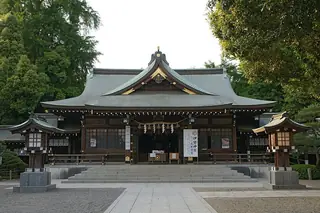
Kato Shrine

Selected as the finale, the shrine shows how Kato Kiyomasa’s legacy passed from castle engineering into civic memory and living worship.

~25 min here·3 chapters
From Warrior's Legacy to a New Era's Shrine

The shrine was founded in 1871 as Nishikiyama Shrine — not during Kiyomasa's lifetime, but two and a half centuries after his death, as a deliberate act of civic memory at the dawn of the Meiji era.

Why the Shrine Had to Move — Twice

The shrine moved first in 1874 to spare worshippers from having to pass through an army camp, then again in 1962 when a new road reshaped the area — each move reflecting the pressures of its era.

Who Else the Shrine Remembers

Beyond Kiyomasa, the shrine honors two of his retainers — including Kinkan, identified in the city guide as a Korean accountant — and holds a ginkgo tree said by tradition to have been planted by Kiyomasa himself.

FAQ

How long does this route take?

The audio narration is 40:45 in total. If you pause to look around and take photos, budget 3 hrs. You can pause and resume any time — including the next day.

Is the tour narrated in my language?

This version is narrated in English by rrawi. Other language versions may be available — check the language switcher on this page.

Can I listen without an internet connection?

Yes. This self-guided audio tour works fully offline — download it in the rrawi app before you set off, and GPS automatically triggers the next chapter as you walk. No signal needed.

Do I have to start from the first stop?

No — you can start or jump to any stop in the app. The route works in order, but each stop stands on its own if you need to skip.

What does the free part include?

Different tours offer different free preview chapters depending on the content. Download the rrawi app and purchase the tour to unlock all 27 chapters and experience the full route.

Ready to walk Kumamoto?

Download rrawi and let rrawi walk with you.

Walk with the app
First chapter at each stop is free
Get the app