Home › Aswan › Aswan: Granite, Nile, and Living Nubia
Aswan: Granite, Nile, and Living Nubia
Aswan · Walking Tour

Aswan: Granite, Nile, and Living Nubia

6 hrsWalk
2.3 kmDistance
5Stops
14Chapters

About this route

Imagine reading Aswan as a city shaped by stone and water, from the abandoned granite at the Unfinished Obelisk through the rescued heritage of the Nubian Museum and the river geography framed by Feryal Garden to a packet of karkade changing hands in Aswan Souk.

🎧 Narrated audio tour⬇️ Works offline🌐 English📍 5 stops
Narrated by
rrawi
English

Stops on the route

5 stops · 14 chapters
Unfinished Obelisk and Northern Quarries
01

Unfinished Obelisk and Northern Quarries

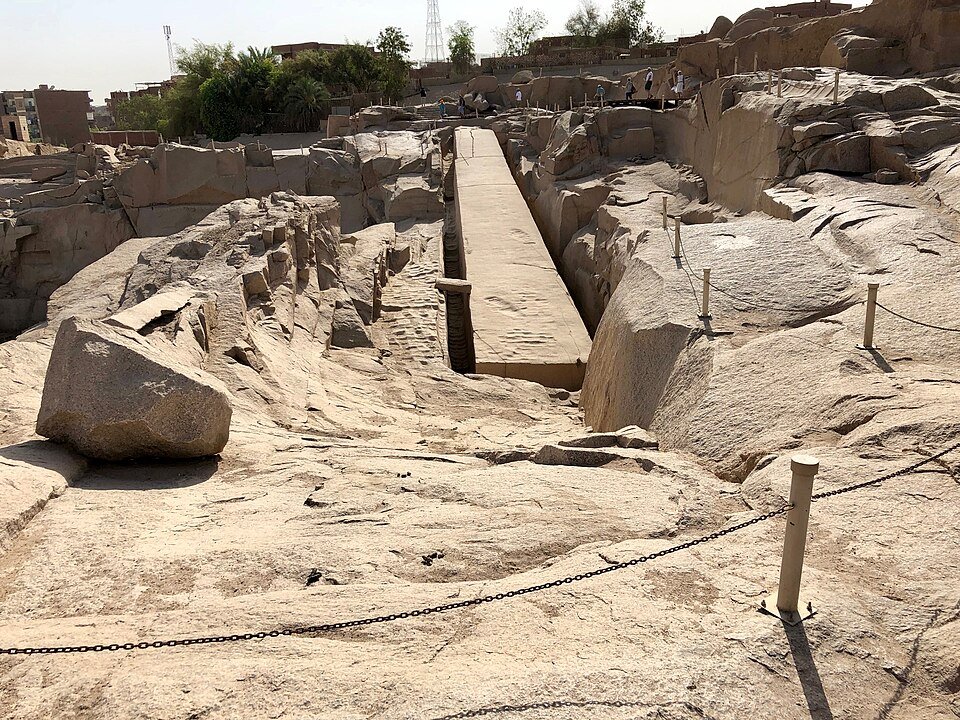
Selected because the obelisk remains attached to its granite bedrock, preserving unusually direct evidence of ancient quarrying methods and engineering failure.

~1 hr here·3 chapters
What the Granite Beneath Your Feet Once WasFree chapter

The Unfinished Obelisk sits in the same pink Aswan granite quarry where New Kingdom workers left it — still fused to bedrock — making the site a frozen moment in ancient industrial history.

0:000:00
The Tools That Cut a MountainFree chapter

Ancient Egyptian quarry workers used dolerite — a stone harder than granite — as their primary cutting tool, and the traces of that technique are still visible on the rock surface here.

0:000:00
The Fracture That Stopped Everything

A crack appeared in the granite during quarrying — likely discovered late in the process — and the entire project was abandoned in place, leaving the obelisk still attached to the bedrock where it remains today.
Fatimid Cemetery
02

Fatimid Cemetery

Selected for its mud-brick domed tombs, the Fatimid Cemetery adds medieval Islamic memory and architecture to Aswan's layered cultural landscape.

~35 min here·3 chapters
What the Domes Tell You Before Words Do

The Fatimid Cemetery's domed mud-brick tombs are the primary physical evidence visitors should read first — their form and material immediately reveal how medieval Aswan's Islamic community honored its dead.

Nine Centuries of the Dead on This Hillside

The cemetery's core period runs from the ninth through the twelfth centuries — the era when Fatimid and earlier Islamic rule shaped Upper Egypt — making it one of the most intact medieval Islamic funerary landscapes in the region.

Reading Old Walls Honestly

Visitors should distinguish between original surviving fabric and later restoration — the site as seen today is a layered result of medieval construction, time, and modern heritage presentation, not a single unchanged ancient state.

Nubian Museum
03

Nubian Museum

Selected as the tour's essential account of Nubian archaeology, living culture, displacement, and the international salvage campaigns prompted by the dams.

~2 hrs here·3 chapters
What the Nile Took, and What Was Saved

The Nubian Museum exists because of a deliberate, urgent act of rescue — the salvage campaigns triggered when the Aswan High Dam threatened to drown thousands of years of Nubian civilization under Lake Nasser.

Reading the Museum's Chronology on Its Own Terms

The museum is organized as a Nubian chronology — a deliberate sequence from prehistoric times through the Islamic period — and visitors should read it as a continuous civilization, not as a footnote to ancient Egypt.

The Objects That Escaped the Flood

The salvage archaeology collection — the physical objects pulled from sites before they were submerged — is the emotional and historical core of the museum, and it should be read alongside the traditional culture displays that show how that civilization continued into living memory.

Feryal Garden
04

Feryal Garden

Selected for its terraced Nile overlook, Feryal Garden makes Aswan's islands, channels, and river geography legible within the wider story.

~25 min here·2 chapters
What This Garden Is Actually Showing You

Feryal Garden's terraced design is not incidental — it exists specifically to give you a structured, readable view of the Nile and its island landscape.

Reading the Nile's Geography From Here

From Feryal Garden's terraced vantage, visitors can orient themselves within the actual Nile landscape — islands, currents, and the physical geography that has defined Aswan for millennia.

Aswan Souk
05

Aswan Souk

Selected as the living conclusion, Aswan Souk reveals how Nubian and Upper Egyptian culture continues through everyday goods, commerce, and street etiquette.

~45 min here·3 chapters
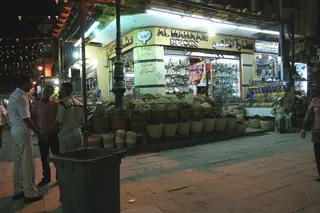
What This Street Is Actually Selling

The Aswan Souk is not a tourist bazaar grafted onto a city — it is a living commercial artery where Nubian and Upper Egyptian culture is embedded in the goods, the rhythms, and the etiquette of daily trade.

The Geography Encoded in the Goods

The specific products in the souk — Nubian spices, Upper Egyptian textiles, hibiscus, henna — reflect Aswan's position as the historic meeting point between the Nile Valley and sub-Saharan trade routes, a role the city has played for thousands of years.

How to Move Through a Living Market

The rhythm and etiquette of the Aswan Souk — unhurried, conversational, built on relationship rather than transaction speed — are themselves cultural artifacts, and navigating them correctly is how a visitor actually participates in rather than merely observes the place.

FAQ

How long does this route take?

The audio narration is 27:14 in total. If you pause to look around and take photos, budget 6 hrs. You can pause and resume any time — including the next day.

Is the tour narrated in my language?

This version is narrated in English by rrawi. Other language versions may be available — check the language switcher on this page.

Can I listen without an internet connection?

Yes. This self-guided audio tour works fully offline — download it in the rrawi app before you set off, and GPS automatically triggers the next chapter as you walk. No signal needed.

Do I have to start from the first stop?

No — you can start or jump to any stop in the app. The route works in order, but each stop stands on its own if you need to skip.

What does the free part include?

Different tours offer different free preview chapters depending on the content. Download the rrawi app and purchase the tour to unlock all 14 chapters and experience the full route.

Ready to walk Aswan?

Download rrawi and let rrawi walk with you.

Walk with the app
First chapter at each stop is free
Get the app